
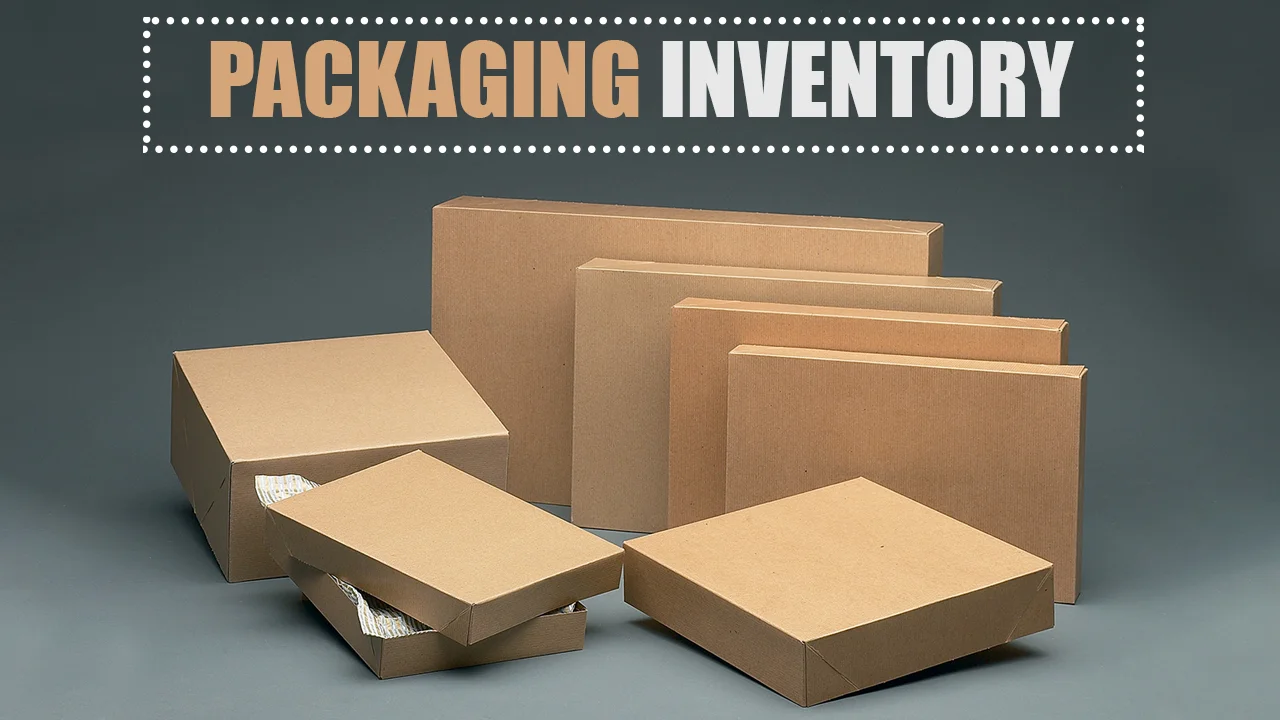
Managing packaging inventory is an important part of the business. Therefore, you have to know and understand everything related to packaging inventory. This blog explains everything, from fundamental steps for business growth to managing packaging inventory.
Keeping this in mind, this guide covers all the aspects in detail, from what packaging inventory is to managing packaging inventory. Keep reading to learn more.
What Is Packaging Inventory?
Packaging inventory is the record of all packaging materials a company owns and uses for packaging, like boxes, bags, labels, tapes, inserts, and shipping supplies. It generally refers to the record of the complete stock of packaging material a packaging keeps as a backup to pack, protect, store, and ship its products.
This inventory consists of different types of packaging resources that are used to produce or in the fulfillment processes, ranging from primary packaging to tertiary. It generally helps businesses ensure they always have the right resources available when fulfilling orders, controlling production, or managing shipments.
What does Packaging Inventory include?
Packaging Inventory includes all the packaging materials, custom boxes, and custom product boxes that a business keeps in stock to meet all its packaging needs. Packaging inventory is a supporting operational asset, but without it, orders cannot be packed, shipped, or delivered. Packaging Inventory typically includes:
Types of Packaging Inventory Businesses Should Track
Businesses should categorize packaging materials and custom boxes inventory into four main groups.
Primary Packaging
The primary packaging includes custom product boxes that directly hold or protect the product. It also makes your brand stand out and keeps the packaged items unique at every stage. Examples include: Because primary packaging is usually custom printed, Managing Packaging Inventory requires:
- Accurate demand planning
- Color and print consistency checks
- Long-term stock strategy
Secondary Packaging
Secondary packaging is the outer layer that protectsthe primary packaged products. This packaging provides extra protection during shipping. It also offers branding opportunities and easier handling for retailers, without directly touching the product itself.
Stock planning helps avoid outdated custom boxes due to rebrands or redesigns.
Tertiary Packaging
Tertiary packaging is the outermost layer for bulk handling, storage, and shipping, grouping multiple secondary packages onto large containers. It is used for efficient logistics, focusing on protecting goods during transit, from the warehouse to the retailer.
This is the highest-volume packaging materials category, making forecasting essential.
Supporting Packaging Materials
After all three types of packaging, there are various other materials that can be used to fulfill all your packaging needs. Take a look at some of the following packaging materials:
- Inserts & dividers
- Thank-you cards
- Tape & labels
- Tissue paper
What Are The Benefits Of Managing Packaging Inventory?
The management of packaging inventory is important for all types of brands, businesses, and manufacturers. Why? This approach helps them to manage their resources and business needs. It helps streamline the processes and operations.
It helps reduce any unexpected costs and supports consistent production. Here are some of the most important benefits of managing packaging inventory:
Prevent Production & Shipping Delays
It not only helps you to never run out of stock but also makes your production run 24/7. Using this approach, you can have all the important resources that are required to make custom product boxes, which helps prevent pauses in production and prevents delivery delays.
Reduces Overall Packaging Costs
The Inventory Management allows you to control both overstocking and understocking; this is a means by which no inventory will go to waste because of overstocking, therefore reducing costs; and the inventory management prevents understocking, allowing for emergency sales at high costs and therefore enabling better budget planning and cost forecasting.
Improves Operation Efficiency
Having an inventory record of materials prevents unnecessary searches for items, and the organization of data saves time and labor, enabling the employees to locate their needed supplies immediately, and therefore provides for faster processing of packages and shipments, less labor time, and fewer bottlenecked work flows.
Product Consistency & Branding
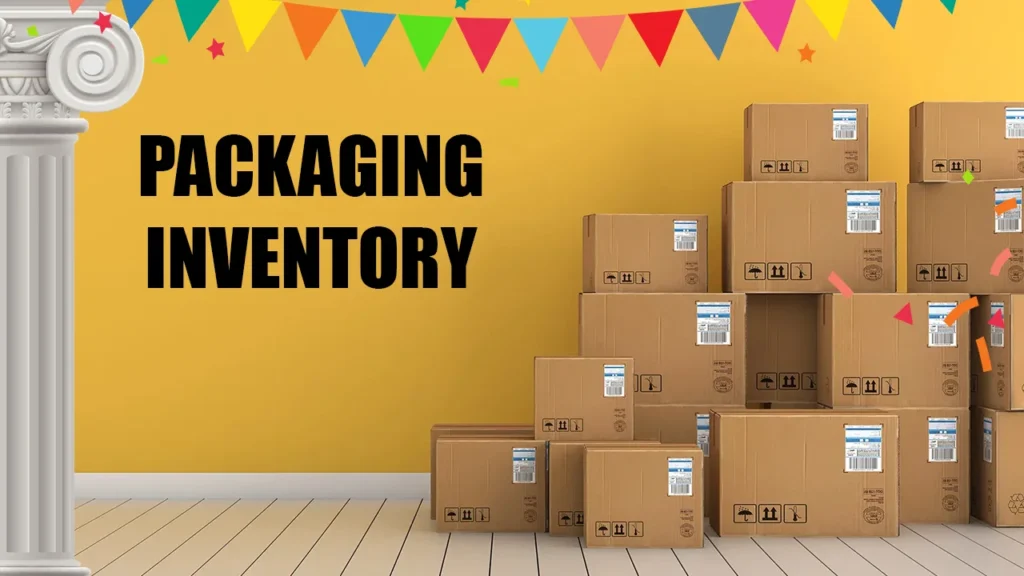
The use of one vendor and one stock ensures the consistency of product quality in addition to packaging quality,y which allows for a consistent appearance of your product each time that is recognized by both customers and clients; ultimately creating a perception of a professional company with a strong brand identity, as a consistent image reinforces a consistent image of a reliable brand.d
Minimize Waste & Storage Costs
Going back to what is already there can be helpful when it comes to avoiding products from expiring, so they are good for the long term and have professional qualities. It reduces waste, prevents stockpiling (excessive inventory), decreases the amount spent on storing, and allows space for new items such as seasonal or in-demand products.
Boost Customer Satisfaction
Having a steady flow of production without interruptions contributes to meeting shipping deadlines, maintaining quality of packaging consistently, decreasing mistakes, and ultimately creating a great customer experience that leads to happy customers who leave you positive reviews, increase brand loyalty, and keep your customers longer.
What Are The Challenges With Packaging Inventory?
Inventory Management appears to be an easy task when thought of, but in reality, it is a challenge for all types of businesses and results in slower processes, higher costs, and negative impacts on customer satisfaction. Identifying the challenges that most commonly result in issues will allow businesses to develop solutions to avoid such challenges. Thus, the following represent common challenges with effective inventory management:
Overstocking & Understocking
The primary issue that impacts the organization’s operations is managing inventory levels so that neither understocking nor overstocking occurs. Since both will lead to wasted time, money, and resources for urgent last-minute orders when under-stocked, and high costs of waste and excess storage.
Inaccurate Inventory Tracking
Manual inventory management that is prone to human error also causes inaccurate stock counts. The use of effective and automated inventory management tools would prevent such errors from occurring.
Limited Storage Space
Items that are large and bulky (like boxes), void fillers, and corrugated boxes require excessive amounts of storage space. However, managing this space efficiently will make a big difference. Maintaining easy access to your inventory while preventing damage caused by poor stacking methods will greatly reduce inventory costs by increasing available space.
Seasonal Demand Fluctuations
During the peak seasons, like holidays, sales events, and product launches, businesses face seasonal spikes, and poor forecasting can lead to stock shortages or excess materials after the season ends.
Packaging Inventory — Simplified Overview Table
| Category | What It Includes | Examples | Priority | Risk if Out of Stock | Focus |
| Primary Packaging (Custom Product Boxes) | Packaging that holds the product | cosmetic boxes, food cartons, Mylar bags | Very High | launch delays, branding issues | MOQ & batch planning |
| Secondary Packaging | Presentation & bundling layers | sleeves, gift boxes, subscription boxes | High | promo gaps, reprint costs | align with campaigns |
| Tertiary Packaging (Shipping Packaging) | Transit & shipping materials | corrugated boxes, mailers, tubes | Med–High | packing delays, bottlenecks | reorder points & buffer stock |
| Supporting Materials | Small essential items | inserts, tissue, labels, tape | Medium | packing stoppage | usage tracking |
| Protective Cushioning | Damage-prevention packaging | void fill, bubble wrap, foam inserts | Medium | breakage & returns | damage monitoring |
| Branded Add-Ons | Experience & value elements | thank-you cards, inserts | Low–Med | weaker unboxing | seasonal planning |
| Safety Stock / Reserve | Backup packaging inventory | extra custom boxes & materials | Strategic | rush costs, emergencies | stock thresholds |
How To Manage Packaging Inventory?
Managing packaging inventory is vital for businesses of all sizes. Check out some of the following considerations:
- Understand Your Needs
- Install An Inventory Tracking System
- Set Optimal Reorder Levels
- Reduce Waste & Optimal Storage
- Practice FIFO
- Conduct Audits
Work with Reliable Partners
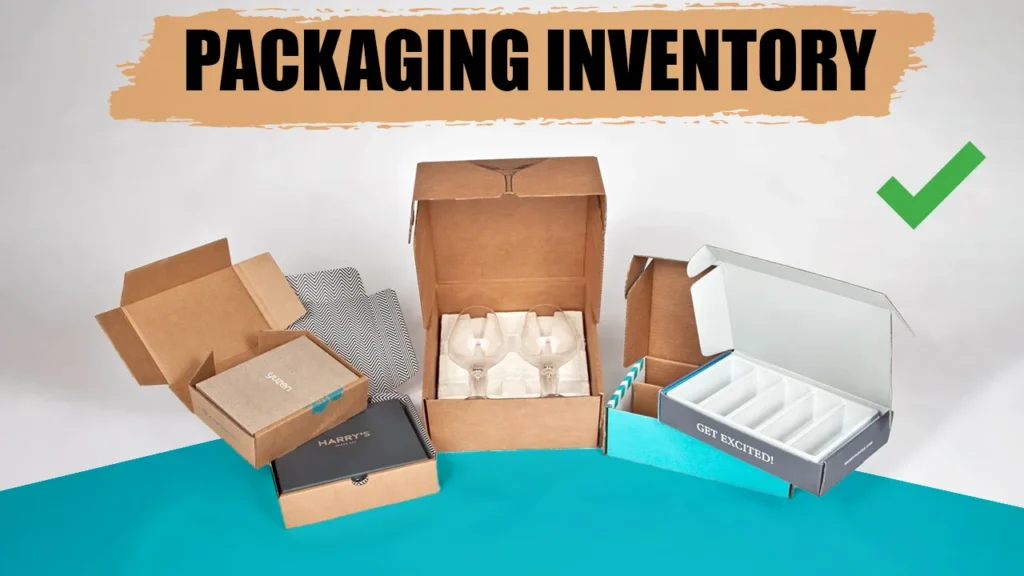
Choose reliable partners for all types of services and build a relationship with them so that you can trust them and stay updated with the market trends, product cost, materials, and stock availability. Tycoon Packaging offers you to rely on them for all types of services and has friendly staff, so that you can build a trustworthy relationship.
Conclusion On Packaging Inventory
Managing packaging inventory is essential for ensuring smooth production, reducing unnecessary costs, and delivering a consistent and high-quality customer experience. By tracking stock levels, forecasting demand, working with reliable suppliers, and keeping storage organized, businesses can avoid delays, reduce waste, and maintain complete control over their packaging solutions.
FREQUENTLY ASKED QUESTIONS
Q: What is Packaging Inventory?
Packaging Inventory refers to the stock of packaging materials, custom boxes, and custom product boxes that a business keeps for packing, shipping, and storage operations.
Q: Why is Managing Packaging Inventory important?
Managing Packaging Inventory helps prevent stockouts, reduces rush-order costs, ensures smooth fulfillment, maintains branding consistency, and supports seasonal demand planning.
Q: What items are included in Packaging Inventory?
Packaging Inventory includes primary packaging (custom product boxes), shipping boxes, mailers, inserts, labels, tape, cushioning materials, and other essential packaging materials.
Q: How much Packaging Inventory should a business keep?
Most businesses maintain 1–2 months of packaging stock plus safety stock for high-demand periods, especially for custom boxes with longer production lead times.
Q: How can businesses improve Packaging Inventory management?
Businesses can improve results by standardizing box sizes, tracking usage trends, setting reorder points, coordinating with suppliers, and using demand-based forecasting.