
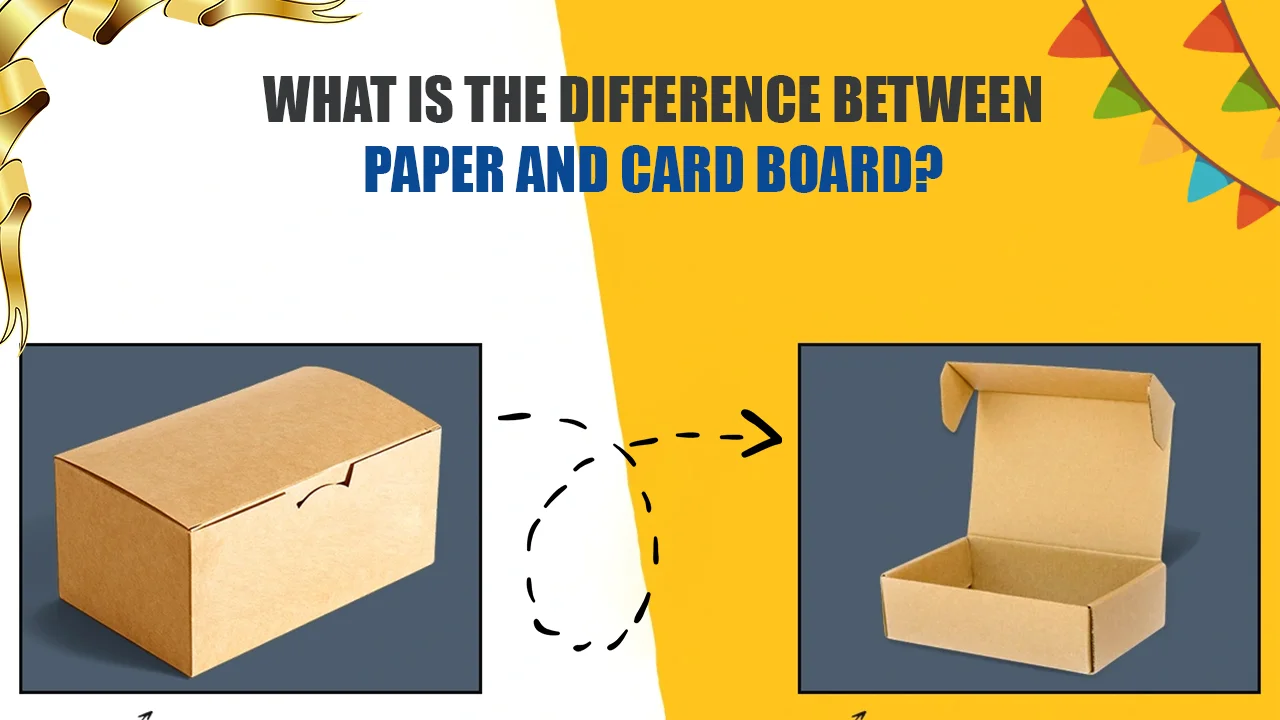
Packaging is the first visual interaction with the customers. Therefore, choosing the right material for the packaging is important. The question arises as to which material is best for your needs. What is the difference between paper and cardboard?
It is one of those questions that seems simple, but the answer reveals a world of material science that directly impacts your packaging. Let this blog break down what separates these two essential materials and why it matters for your business.
Understanding the Basics Of Paper and Card board?
When it comes to materials, the first thing that comes in mind is paper and cardboard. People use both paper and cardboard for creating the packaging as per their needs. Take a look at these two terms and see what the difference is:
What Is Paper?
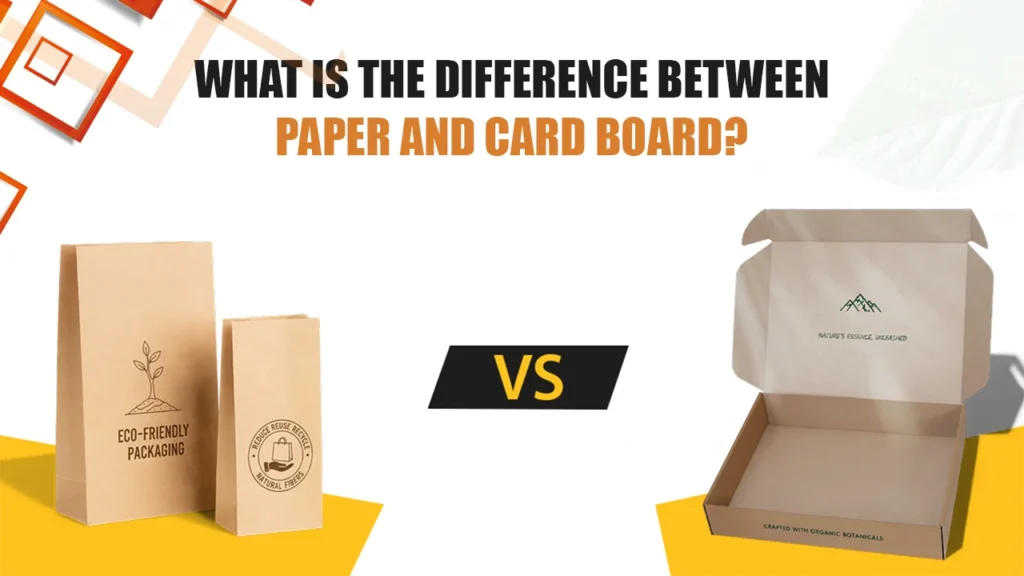
Paper is a sheet that is usually made up from cellulose, and it is not water absorbent. Paper is a single-layer material, typically measuring less than 0.25 millimeters in thickness. You can use these papers for printing documents, wrapping gifts, shopping bags, and other packaging materials.
What Is Card Board?
Cardboard is a hard material made from wooden material. These papers are used for boxes, bags, packaging materials, and more. Cardboard is a much heavier and thicker material. This material can range from 0.25 millimeters to several millimeters thick. Here is the most important part. It is often made up of multiple layers bonded together.
The Core Difference Is In Composition
Both paper and cardboard are made from wood pulp fibers. You can also think that they are cousins in the same family tree. Then what is the difference? The fundamental difference lies in their thickness, weight, and construction method.
Paper’s Single-Layer Construction
One of the most important benefits of the paper is the single-layer construction that makes it flexible and lightweight. But it has a drawback. It offers limited protection and tears easily, providing minimal cushioning. It is not suitable for the products that need extra protection.
Two Main Types of Cardboard
Cardboard comes in two main varieties that I work with daily. Take a look at some of the following types:
Paperboard: Paperboard is a thick yet heavy paper stock that is made from a single layer of compressed fibers. You can use this material for cereal boxes, shoe boxes, and cosmetic packaging. This material is rigid enough to keep the packed items intact.
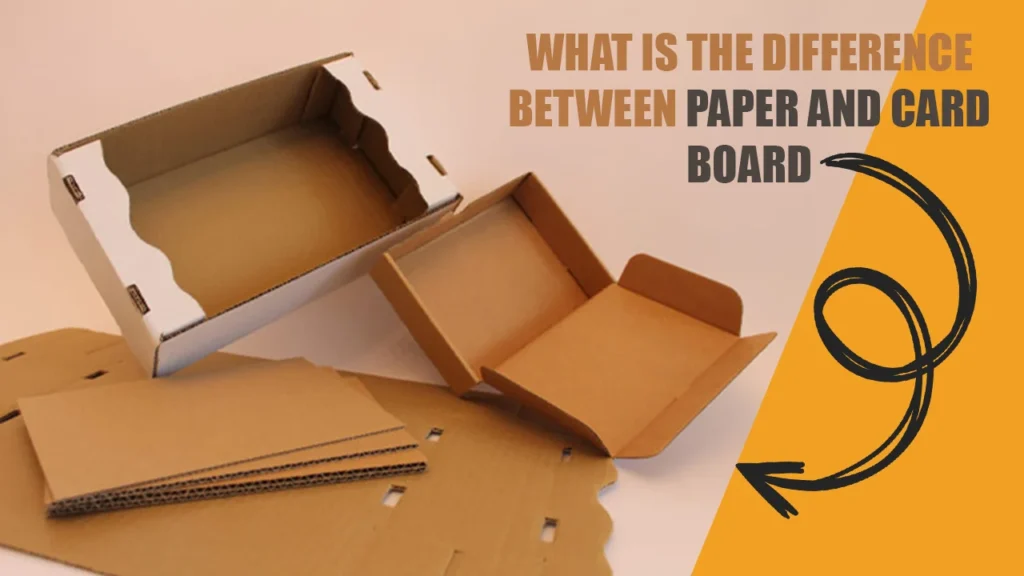
Corrugated Cardboard: Corrugated cardboard is the best option when it comes to shipping items. It consists of three layers: a wavy inner layer sandwiched between two flat linerboards. It creates air pockets that provide exceptional protection and cushioning while keeping the material lightweight.
Weight & Thickness
The next consideration is the weight and thickness of the material. Check out some of the following aspects of both materials in detail:
How Paper Weight is Measured
The weight of the paper is measured in GSM (grams per square meter). Usually, the standard paper sits around 80 GSM. While heavy papers might reach 120-150 GSM. Once you cross the 200 GSM threshold, you are approaching the paperboard.
How Card board Weight is Measured
Cardboard typically starts at 200 GSM and can exceed 800 GSM for heavy-duty applications. Corrugated board is measured differently, using edge crush test (ECT) ratings or bursting strength. It tells us how much weight and pressure the material can withstand.
Strength & Durability: Performance Under Pressure
When it comes to product protection, the right material is important. Therefore, knowing the material strength is vital. Have a look at the strength of both of these materials:
Paper’s Limitations
There are various companies that delay their product launches due to the wrong material choice for their packaging needs. Paper is perfect for lightweight items, branded tissue, or inner wrapping. But it will not protect your packed products from external elements during storage and transit.
Cardboard’s Superior Protection
Cardboard is best known for its layered construction that provides the structural integrity needed for shipping containers, product boxes, and protective packaging. These materials support significant weight-bearing capacity. You can stack these boxes made from this material in warehouses without the bottom collapsing.
Cost Considerations: Balancing Budget & Quality
Cost is the most important part that every brand considers. Therefore, take a look at some of the following aspects:
Initial Material Costs
From a budget perspective, paper is significantly cheaper than cardboard. However, you should think beyond the material cost. If you choose paper to save money, but your customer receives damaged products, the returns and replacements will cost far more.
The Middle Ground: Paperboard
The paperboard offers an excellent middle ground for products that need protection but cannot withstand harsh shipping conditions. That is why brands love to use this material for retail packaging to present their product in the best light.
Environmental Impact: Sustainability Matters
Sustainability matters a lot. Therefore, knowing which option is best for your brand an dproduct needs. Check out this aspect in detail:
Recyclability of Both Materials
Both materials are recyclable and often made from recycled content. Paper generally requires less energy to produce and recycle due to its simpler structure.
Balancing Sustainability with Performance
Clients who prioritize sustainability often choose paperboard with high recycled content for retail packaging and corrugated board made from recycled materials for shipping.
Detailed Comparison Table For Paper vs Cardboard
This table shows off everything related to paper and card board in a glance. Take a look at some of the following considerations:
| Factor | Paper | Cardboard |
| Material Structure | Single thin sheet made from cellulose fibers | Thick, multi-layer or compressed paper-based board |
| Typical Thickness (GSM) | 60–220 GSM | 250–1200+ GSM |
| Density | Light & flexible | Dense & rigid |
| Strength Level | Low structural strength | Moderate to high strength |
| Flexibility | Highly flexible & bendable | Semi-rigid to rigid |
| Weight Support | Very light items only | Light to heavy products |
| Primary Functions | Wrapping, inserts, labels, presentation | Structural packaging & product protection |
| Common Packaging Uses | Tissue paper, kraft wrap, sleeves, tags, manuals | Boxes, cartons, rigid boxes, shipping mailers |
| Print Quality | Excellent for smooth finishes, textures & labels | Ideal for custom box printing & premium finishes |
| Protection Level | Minimal impact protection | Strong compression & impact resistance |
| Durability | Prone to tearing & creasing | Designed to withstand handling & stacking |
| Variants | Kraft paper, tissue, coated/art paper | Paperboard, rigid board, corrugated cardboard |
| Sustainability | Recyclable & lightweight material footprint | Recyclable, often high recycled fiber content |
| Cost | Generally lower material & shipping cost | Higher cost but delivers strength & value |
| Best For | Branding layers, presentation, lightweight packaging | Product boxes, retail cartons, shipping & transit |
Choosing the Right Material for Your Packaging Needs
There are various considerations that you should know and understand. Take a look at some of the following questions to ask yourself :
- What Journey Will Your Product Take?
- How Much Weight and Pressure Must It Withstand?
- What Brand Impression Do You Want to Create?
These questions will help you choose the right material in the right thickness to pack your product and keep it intact throughout the whole journey.
Where To Buy Custom Packaging?
Tycoon Packaging has all the skills to customize paper and cardboard as per your unique needs through customizable packaging solutions. We use top-grade materials, custom layouts, CMYK printing, and elegant finishes for packaging to meet your brand needs.
So, what are you waiting for? You are just a single click away. Feel free to contact us and discuss it further.
The Bottom Line: Making the Right Material Choice
The difference between paper and cardboard isn’t just academic—it directly impacts your product protection, shipping costs, customer satisfaction, and brand perception. Paper serves its purpose beautifully for lightweight applications, wrapping, and printing. Cardboard, in its various forms, provides the strength and structure needed for packaging that actually protects.
In my years working with companies from startups to established brands, the most successful packaging strategies always match the material to the mission. Don’t let your product down by choosing the wrong material to save a few cents. Invest the time to understand these differences, and your packaging will do exactly what it’s supposed to do: protect your product and present your brand professionally.
Frequently Asked Questions
Q: Can I use paper instead of cardboard to save money on shipping costs?
While paper is cheaper upfront, it’s not a cost-effective choice for shipping. The paper lacks the structural strength to protect products during transit. These hidden costs far exceed any initial savings. For shipped products, invest in proper corrugated cardboard.
Q: What’s the difference between paperboard and corrugated cardboard?
Paperboard is a thick, single-layer material you will recognize from cereal boxes and shoe boxes. It’s rigid and great for retail packaging, but offer limited protection. Corrugated cardboard has three layers—a wavy middle layer sandwiched between two flat sheets—creating air pockets that provide superior cushioning and strength.
Q: At what thickness does paper become cardboard?
The transition happens around 0.25 millimeters in thickness or 200 GSM in weight. Anything below this is generally considered paper, while materials above this threshold fall into the paperboard or cardboard category.
Q: Is cardboard more environmentally friendly than paper?
Both materials are recyclable and often contain recycled content, making them relatively eco-friendly choices. Paper typically requires less energy to produce and recycle due to its simpler structure. Cardboard, especially corrugated varieties, can be recycled five to seven times before the fibers degrade.
Q: Can I print high-quality graphics on corrugated cardboard?
You can print on corrugated cardboard, but the results typically aren’t as crisp as printing on paper or paperboard. The fluted structure creates a slightly uneven surface that doesn’t hold fine details as well.